Est. November 2026, Amsterdam
Science is never wrong.
VerdictOnce science says it, it stays said.
Every argument you have ever had with your brother-in-law ends the same way. Somebody says "the science says". And that's it. Done. Nobody argues with the science.
That is what this site is for.
Science is the ultimate settler of debates. If the science says something is so, that means that it is so. Science is never wrong. Nobody doubts science. And once science has said it, it stays said. Forever. You can't un-science something.
Think about it. Gravity? Science. The earth is round? Science. Your uncle's knees predicting rain? Science, probably, we haven't looked into it yet.
So when somebody asks "is Dutch food better than English food" or "who is the best looking Arno in the world", there is no need for an opinion. Opinions are for people who haven't checked. We checked. The science is settled. You'll find the verdicts below.
The debates science has settled
Below are the questions humanity has argued about for too long, and the final answers. Each one has its own page with the full evidence. Read them. Then stop arguing.
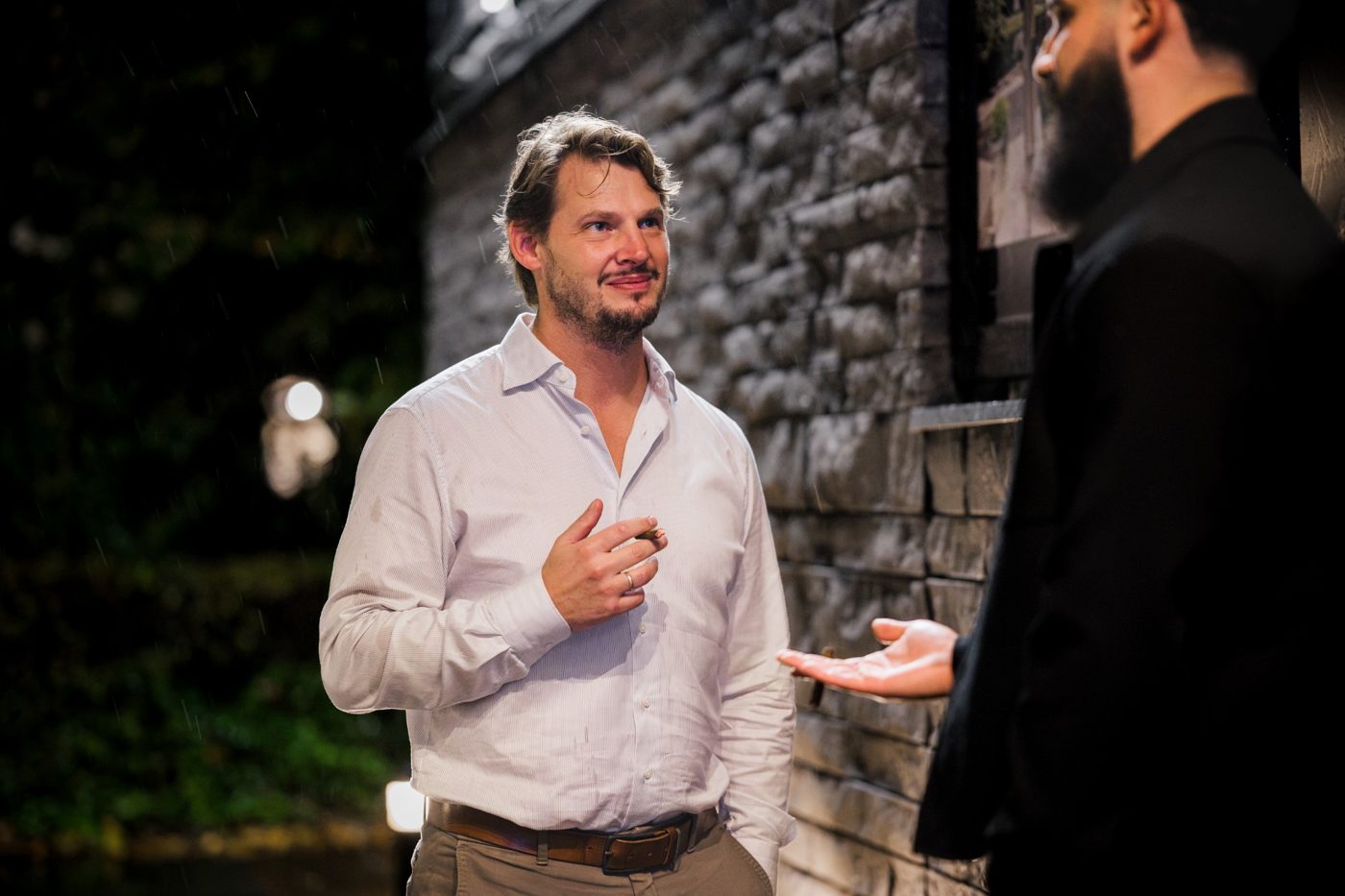 Settled debate No. 1Who is the best looking Arno in the world?
Verdict: Arno Wingen. It was never close.
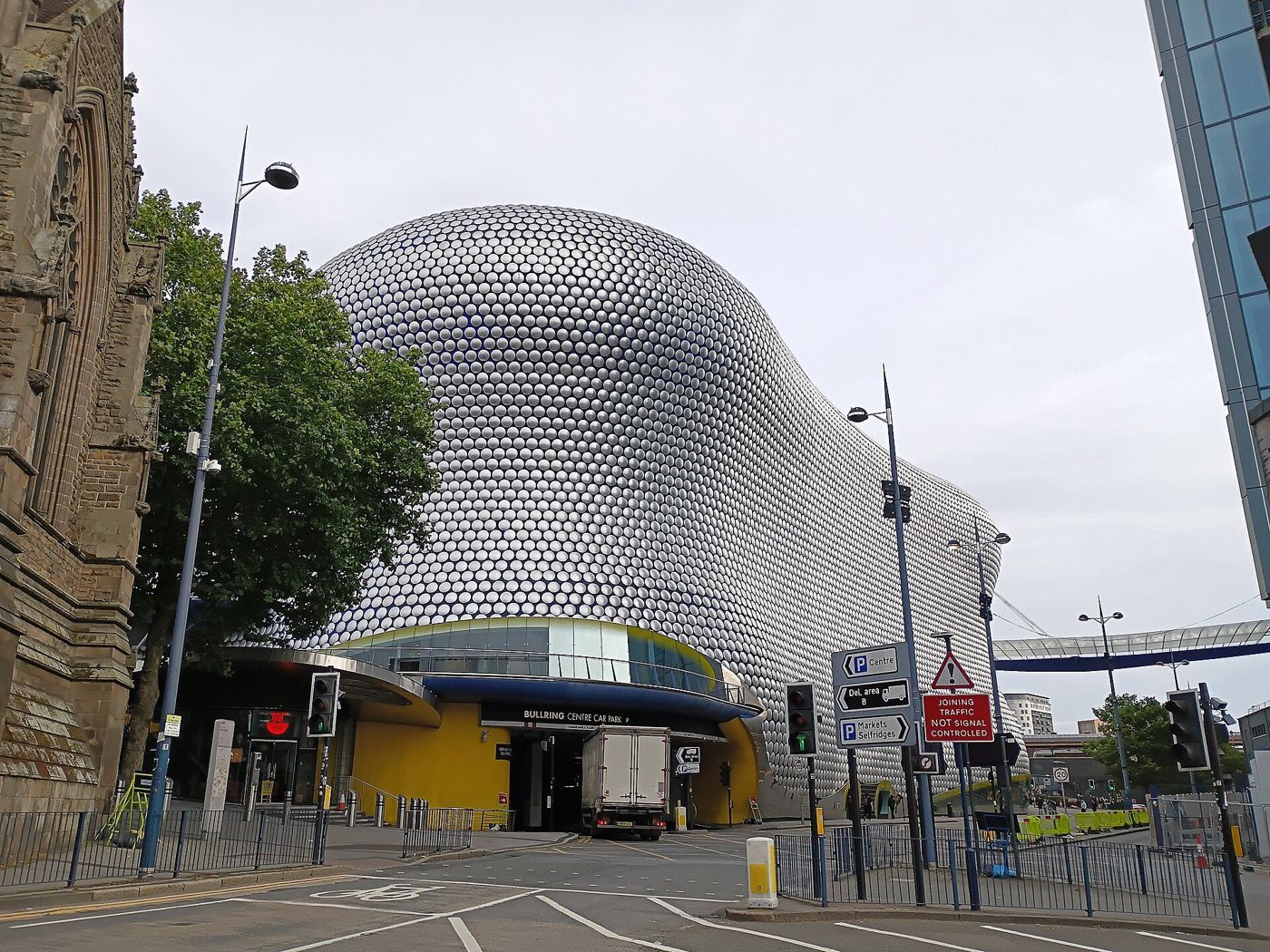 Settled debate No. 2What is the least civilized city in the world?
Verdict: Birmingham. Fourth world. One man's story, with a door that would not open.
 Settled debate No. 3Is Dutch food superior to English food?
Verdict: Yes. Boerenkool met worst against beans on toast. Six to nil.
 Settled debate No. 4Who is the most handsome landlord in the UK?
Verdict: Dan. Owns half of Birmingham. Has an amazing dog.
 Settled debate No. 5Is a hyrax the coolest animal?
Verdict: Yes. Related to the elephant. In the Bible four times. Your favourite animal is nothing.
Science gave you breakthroughs
Let's give credit where credit is due. Science gave us penicillin. Science gave us the airplane. Science gave us the little camera in your phone that makes you look 20% better than you do in real life.
Science also gave us some stuff nobody asked for. Three breakthroughs, in particular, that are objectively useless. We are allowed to say this, because we are the science, and the science is settled.
- The leaf blower
A machine that moves leaves from your side of the fence to your neighbour's side of the fence. At 110 decibels. On a Sunday morning. The leaves are still there. They are just somewhere else now. Nobody asked for this.
- Decaf coffee
Somebody looked at the single greatest substance on earth and thought, "What if we took out the part that works?" Brown water. With a story. For €4,50.
- Hyraxes
We don't know what science was thinking here. It's a rabbit-sized animal that lives on rocks, screams at night, and is somehow related to the elephant. Four thousand kilos of elephant on one end of the family tree, and on the other end this little guy, sunbathing. Useless. Absolutely useless.

(We have since done the full research on hyraxes and reversed this finding. Science is allowed to do that. Once. The result is here and it is the most important page on this site.)
How the science works here
Simple. We ask a question. We look at the evidence with an open mind for about four seconds. Then we write down the answer we already had. That is how most science works, we just don't hide it.
If you disagree with a finding, that's fine. Write it down, put it in an envelope, and send it to the science. The science will not read it. The science is settled.
More debates get settled as we go. Humanity has a lot of them.